


The town of Marana — just north of Tucson — is suing the federal government over water contamination issues tied to military and airport facilities nearby.
The town is asking for federal compensation for the money it’s spent and will spend cleaning up PFAS in its drinking water.
PFAS are a group of human-made chemicals found in a range of consumer and commercial products — including a special firefighting foam used for years at airports and military sites, like the Davis-Monthan Air Force Base on Tucson’s south side.
The suit alleges Davis-Monthan has taken “no action to stop or even mitigate” PFAS contamination into Marana’s water supplies. And it also hasn’t agreed to pay for damages or reimburse the town for its own efforts.
Earlier this year, the EPA put in place the first-ever federally-enforceable limits on PFAS in drinking water and is requiring water providers to come into compliance within the next five years.
Both Marana and Tucson have already spent millions in their own funds treating contamination from the chemicals. More than two dozen wells have also been forced to shut down in areas where contamination is too high to treat.
-
On Sept. 8, KJZZ water reporter Alex Hager presented your questions and concerns to a panel of experts.
-
 A major Arizona water agency is pulling its funding from a program designed to bolster the water in the Colorado River. KJZZ's Alex Hager tells us more.
-
 How much has this once-in-a-generation-level rainfall helped those drying reservoirs? Amy Haas, executive director of the Colorado River Authority of Utah, talked more about it.
-
 The Department of Homeland Security could pay the city of Surprise $8 million for water and related services, according to a draft report released by the agency that concluded a proposed ICE detention center would “substantially increase” water demand.
-
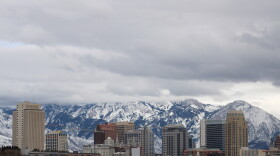 The Central Arizona Project chose not to keep funding cloud seeding work in Colorado and Utah amid a broader fight over Colorado River water.


