


Salvadorans living in the U.S. with temporary protection from deportation will keep that protection for now.
That’s as an expiration date on the status came and went this month with no official decision from the Trump administration.
Temporary Protected Status provides protection from deportation and a work permit. It’s available to nationals from countries deemed unsafe because of things like conflict or natural disaster. The status expired this week for some 170,000 Salvadorans.
Homeland Security says recipients won’t face deportation for now, but it’s not yet clear if, and when, that will change.
Dora Rodriguez fled El Salvador to seek asylum in the U.S. in the 1980s. Today, she runs the Tucson-based migrant aid group Salvavision. She says Salvadorans who’ve had the status for 25 years now feel in limbo.
“These people have bought homes, they pay their taxes, they send kids to school, many of them have children, adult children now, that are professionals,” she said.
The Trump administration says an announcement on the fate of Salvadoran TPS will be made at the “appropriate time,” and recipients can maintain their work authorization in the meantime.
Rodriguez says she welcomes continued protection for Salvadorans. But, she doesn’t understand why it wasn’t given to other populations, like Haitians and Venezuelans.
“It just doesn’t make sense to me why when we know that Haitians are in the middle of a horrible, horrible situation in their country, and the people in Venezuela — they cannot go back, they have no place to go back to,” she said. “I’m not saying Salvadorans should not get the opportunity to stay, but what doesn’t make sense to me is how the decision was made.”
Despite ongoing violence back home and a lawsuit that made it to the Supreme Court, Haitians living in the U.S. with TPS were stripped of that protection earlier this year.
Syria, South Sudan and other countries have also been removed from the TPS list.
-
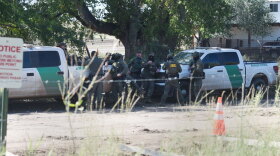 On Monday, dozens of agents swarmed a stretch of private land where the activists had been camped in and around a centuries-old cottonwood tree. Contractors tore down the tree and agents made multiple arrests.
-
 New research shows the ancient site is much older than previously thought. In fact, it’s now confirmed to be the oldest known scientifically dated geoglyph in the Americas, 2,000 years older than the first Pyramids built in Egypt.
-
 Protesters have been camped out in a plot of private ranch land in Lochiel for over two months now, trying to block wall construction as it neared a towering cottonwood tree that was the last of a grove slated for destruction to make way for two, parallel steel bollard walls.
-
 Ahmed Soliman has no ties to Equatorial Guinea. The 30-year-old man was born in Egypt and brought to the United States. when he was just 4 years old. He grew up in Phoenix. Now he’s believed to be in a hospital in the African nation.
-
Activists have spent the last 70 days camped around and inside a cottonwood tree right along the border in the tiny town of Lochiel. The tree was the last of an old grove estimated to be up to 250 years old.


