


Tempe is looking for community input on an affordable housing proposal that offers incentives for developers in exchange for decades of lower rents.
The housing units would be required to stay affordable for at least 30 years. They would serve residents that make up to 80% of the metro area’s median income.
Jacob Payne with the city said developers would face leniency on some aspects.
"In the density of their project, the height of their building, as well as the reductions in the parking requirements, in return for dedicating a certain percentage of the units of the housing project towards families or individuals that fall within certain income ranges," Payne said.
Which kind of “bonus” a developer would get depends on multiple factors. The lower the income the units serve, the less units developers need to provide to qualify for incentives.
“When giving bonuses to development that are giving us affordable housing, we’re keeping them in areas that are intentional and very conscientiously chosen for expanded growth and density. So using the general plan as that guidance helps us determine what kind of bonuses individual properties might receive," Payne said.
Virtual and in-person public meetings are set for Jan. 6. An online survey is also available through Jan. 20.
-
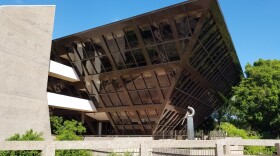 Tempe officials are scheduled to hold informational meetings Thursday to review a proposed ordinance that would ban automatic license plate readers.
-
 Arizona State University's recent performance, which borders physical theatre and dance, will debut in Paris at UNESCO’s MOST Climate Summit.
-
 Locals have been calling on Dan Harkins to reopen Valley Art theater to once again screen “The Rocky Horror Picture Show.” Robrt Pela says it would be an ode to the value of small business.
-
 The city of Tempe is considering an ordinance that would limit the use of automatic license plate readers. The proposal would also destroy all its existing ALPR data and penalize city staff for violations.
-
 The facility is set to be the first outsourced advanced packaging facility in the United States that will be capable of handling high volume.


