


COVID-19 cases have been on the rise in Arizona, but public health officials say it shouldn’t be cause for alarm.
Arizona confirmed 991 COVID-19 cases last week — that’s the highest weekly count in the state in nearly a year, according to data from the state health department.
But current COVID-19 caseloads are still much lower than usual for early September. On average, over the past three years, Arizona confirmed more than 3,000 COVID-19 cases per week at this time of year.
“Even though we are seeing a slight increase in the number of cases, we are not close to being at a surge, or to be extremely concerned from the public health perspective,” said Dr. Joel Terriquez with the Arizona Department of Health Services.
Respiratory viruses do tend to rise in the fall and winter. Terriquez said now is a good time to start thinking about seasonal COVID-19 vaccines.
“I would recommend everyone consult with their healthcare provider to determine when is the right timing and how to get a hold of this vaccine,” Terriquez said.
The Arizona Department of Health Services recently issued a new statewide standing order so that Arizonans can receive updated COVID-19 shots for the 2026-2027 respiratory virus season in pharmacies with no prescription needed.
Medical experts recommend annual COVID-19 vaccines for most populations.
-
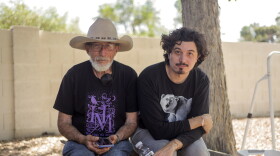 Flagstaff musician Joshua Hill spoke with The Show about his new album and collaborating with his father, Greg, on stage before he died of dementia.
-
 State health officials say they’ve confirmed nearly a thousand COVID-19 cases in the last week. At the same time, lots of Arizonans are starting to think about getting flu and COVID-19 shots for the year.
-
 Ever since 2020, the state has seen seasonal increases in COVID-19 throughout fall and winter. But this fall and winter, caseloads have been notably much lower than they have been in previous years.
-
 The FDA plans to add a “black-box warning” to COVID-19 vaccines — that’s the strongest warning the agency can issue. But Will Humble, the Arizona Public Health Association president, says the move isn’t as alarming as it sounds.
-
 City officials said that they will need to make up $22 million after the American Rescue Plan funds for homeless services expire. Since they are temporary, the city needs to replace the gap to maintain current service levels.


