


El Niño is a climate pattern that results from when the Pacific Ocean near the equator is hotter than usual.
The hot Pacific Ocean during El Niño causes dryer areas like Arizona to see more precipitation in the winter months. But there have been gaps in understanding broader, global trends over time.
“We have for a long time struggled to understand how it might change in response to a change in climate,” said Diane Thompson, a UA professor and study author.
She says the researchers were able to track temperature changes by examining the chemical make up of modern and ancient coral skeletons from the Galápagos Islands.
They found El Niño has grown about 40% stronger than the pre-industrial era.
“These really exceptional, big El Niño events like we're seeing this year are likely to become more common according to our findings,” Thompson said.
Thompson says tracking the changing trends will help in understanding how the more intense weather patterns could impact communities.
“This really important system that is El Niño in the Pacific is amplifying with respect to warming, and that's going to have impacts all over the world,” Thompson said.
-
 Some communities remained difficult to access after flooding from Tropical Storm Polo.
-
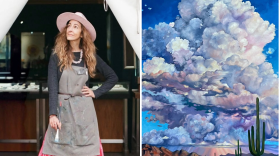 The painter, whose artwork focuses on Arizona landscapes during its stormiest seasons, says her paintings are representative of life.
-
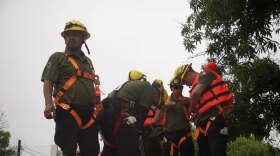 Tropical Storm Polo left coastal areas in Sonora flooded Tuesday, but left other parts of the state with little rainfall as it began to dissipate.
-
 California Gov. Gavin Newsom has declared a state of emergency ahead of what is expected to be a Super El Niño. That extra water presents challenges and opportunities to an area in the midst of ongoing drought.
-
 The National Weather Service has issued a flood watch for most of Arizona through Tuesday evening as remnants of Hurricane Polo move inland from the Pacific.


