


The Colorado River has entered one of the most consequential periods in its history. As drought, climate change and historically low reservoir levels strain the system, the seven basin states have failed to agree on new rules for sharing the river.

Chelsey Heath
/
KJZZ
On Sept. 8, KJZZ water reporter Alex Hager presented your questions and concerns to a panel of experts.
-
 As water supplies dwindle, concern is rising in Arizona and throughout the Southwest. You have important questions. KJZZ explores the answers.

-
 Water agencies within California can't agree about how to cut back on water use as part of a Colorado River deal with Arizona and Nevada.
-
 The study tracked the likelihood of extinction and habitat losses for cactuses as climate change increases the risk of extreme drought events.
-
 In January, Phoenix plans to enter into Stage 2 of its Drought Management Plan; that’s as the state gets less water from the Colorado River.
-
 We’ve all heard the expression, “as clean as freshly fallen snow,” but in an era when microplastics are in our food and in our water, just how pristine is our snowpack?
-
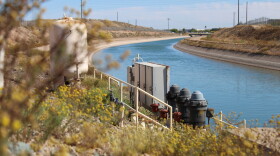 A new strategy authorized by the Central Arizona Project would give cities and private utilities access to the Arizona Water Banking Authority's stored groundwater.
-
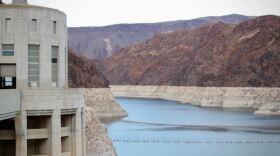 Hydropower generation between April and August was about 28% lower than the last 10-year average.
-
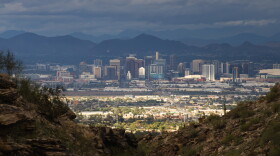 The move would trigger voluntary cutbacks, expanded conservation work and surcharges for Phoenix's largest water users.
-
 A major Arizona water agency is pulling its funding from a program designed to bolster the water in the Colorado River. KJZZ's Alex Hager tells us more.
-
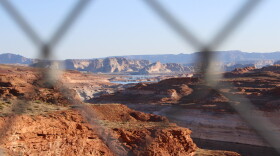 How much has this once-in-a-generation-level rainfall helped those drying reservoirs? Amy Haas, executive director of the Colorado River Authority of Utah, talked more about it.
-
 The Department of Homeland Security could pay the city of Surprise $8 million for water and related services, according to a draft report released by the agency that concluded a proposed ICE detention center would “substantially increase” water demand.


