


It’s been scorching hot in Arizona this summer — the second hottest on record, in fact. And, as those temperatures rose to sometimes record highs, cooling systems failed in Arizona’s state prisons — leaving thousands of inmates relying on swamp coolers, fans and Styrofoam coolers filled with ice.
Now, one state lawmaker is demanding answers from the Arizona Department of Corrections as budget cuts put a stop to a planned HVAC overhaul across the state’s prison system.
Kiera Riley has the story for the Arizona Mirror, and she joined The Show to talk about it.
Full conversation
LAUREN GILGER: Good morning, Keira.
KEIRA RILEY: Good morning.
LAUREN GILGER: OK, so how bad, Keira, has it gotten in some Arizona prisons this summer when it comes to the heat?
KEIRA RILEY: Well, I think it’s no mystery to anyone who’s been outside their house this summer, you know, the triple-digit heat can be unbearable. And you can imagine how much worse that is when you can’t escape it — or you have to work in it, you know, eight-hour days or more.
LAUREN GILGER: Yeah, 100%. What do inmates say? You talked to some.
KEIRA RILEY: Yeah. They mentioned, you know, there’s swamp coolers running, they have access to ice and ice water, but, I mean, it’s not enough. You know, one inmate I spoke to, his bunk is at the very end of the hall against a wall that heats up all day. It doesn’t cool down until around 11 a.m. He puts a fan in his face, he drinks water, he has ice, but it’s still — it’s still not enough, you know, against these triple-digit temperatures.
LAUREN GILGER: There are — there is some AC in some places in these prisons, it sounds like. Like guards are not working without air conditioning, right?
KEIRA RILEY: I mean, to some extent. The guards’ offices are typically air conditioned. You know, often times they’re not in the office all day. But I mean, you know, inmates describe the humid, you know, kind of heat of the swamp cooler hitting the the cold glass from the air conditioned office. So, you know, yeah, guards’ offices and then their classrooms as well, but those aren’t, you know, open all the time ... far from it.
LAUREN GILGER: OK. So the Arizona Department of Corrections Rehabilitation and Reentry did have like a heat mitigation plan, right, with some money behind it — millions allocated to like an overhaul of the HVAC system in the state’s prisons, which apparently needs it. What happened to that plan?
KEIRA RILEY: Yeah. So, you know, a few years ago the state did make a sizable investment into converting all the units to HVAC. But, you know, ultimately, you know, after I think two fiscal years, the Legislature cut that budget down to nearly nothing. And so now 20 units that are occupied by inmates, and four that are unoccupied ... run off these cooling systems and have no HVAC systems in place.
LAUREN GILGER: Right. OK. And this is as we’re seeing Arizona summers just get hotter and hotter. So without the funding, what exactly are prisons doing? They have an extreme heat safety and relief strategy that they use to try to keep people safe. Is it working?
KEIRA RILEY: You know, in some token, yes. You know, it’s lessening the effects, but I mean at a certain point, you know, there’s nothing that is the same as AC. You know, swamp coolers cannot rise to that level. No amount of ice or water or a fan in your face, you know, is going to really get rid of, you know, get it lower than like 85 a lot of the time. So, I mean, it’s still hot. There’s no way around it.
LAUREN GILGER: So this also comes, Keira, as the Department of Corrections is headed to receivership, right, and this very long ongoing lawsuit over its — what’s been decided to be constitutionally deficient healthcare in the state’s prisons. How does this kind of fit into that picture?
KEIRA RILEY: Yeah. I mean, you know, extreme heat does impact certain populations more than others. Obviously senior inmates or inmates with mental illness who are prescribed psychotropic medications are especially vulnerable to high heat. But I mean it takes a toll on the general population as well.
And so, you know, when you talk about heat-related illness, and you have this healthcare system that is constitutionally — and has been found by a court — not up to par, you know, it creates a concern about the response and care of the people who are impacted most by this heat.
LAUREN GILGER: And you found that there has been some research done, kind of academic research done across the country about extreme heat in prisons as extreme heat is becoming more common. What did they find?
KEIRA RILEY: Yeah ... not anything surprising to, again, anyone who’s been outside. ... Lewis, the prison where I spoke to the inmate, you know, they topped out at 114 degrees in this study. And again, the study is looking at the temperature outside, and so there is kind of a bridge of and a gap in data in the true temperature inside prisons. So that is kind of another hurdle. But I don’t think it’s, you know, rocket science to say that if it’s 113, 114 degrees outside, it’s incredibly hot inside with no AC and kind of limited cooling capacity.
LAUREN GILGER: Is this safe for prisoners?
KEIRA RILEY: No. I mean, I think it ... studies have shown it exposes them to comorbidities and can exacerbate existing, you know, health conditions. So, no, I think, short, it’s not safe.
LAUREN GILGER: And prisoners are already kind of more likely to live shorter lives essentially, right?
KEIRA RILEY: Yeah, absolutely.
LAUREN GILGER: Now, let me ask about the representative that I mentioned in the intro, Rep. Walt Blackman, here is — is issuing a subpoena in this from the Department of Corrections. He wants answers basically about extreme heat in Arizona prisons. What’s being done? What’s he looking for?

KEIRA RILEY: He’s looking for in like health-related incidents as well as the current systems and, you know, the maintenance, maintenance costs and upkeep of keeping the HVAC systems we have on and the cooling systems as well, keeping them working and avoiding outages. ...
LAUREN GILGER: We mentioned the budget cuts that have resulted in this HVAC overhaul being stalled essentially. Any chance that this will be an issue coming up at the [Legislature], and that that funding could be restored?
KEIRA RILEY: I think, you know, it’s definitely, you know, a way to open the door. Rep. Blackman kind of said in his letter, "I’m not, you know, assigning blame from the jump, but just trying to get an understanding of how the Legislature can better support the prisons in — in this conversion plan.”
And so, you know, I think he hasn’t said definitively whether he’ll take legislative action, but I think there’s a high possibility that this could come up in the next session.
LAUREN GILGER: Yeah. But it’s always hard politically, right, and you’ve covered the Capitol for a long time, I know, Keira, like is it — is it a difficult issue to kind of rally anyone behind when you’re talking about prisoners?
KEIRA RILEY: Absolutely. But I — I think, you know, there is a bit of a change in the tide when you think about, I guess, the amount of money that is poured into prisons. And so, you know, from that perspective, I think lawmakers have had a closer eye on how we’re spending, you know, the multibillion dollar budget for the Department of Corrections, and what are the results we’re seeing? What is the final product?
LAUREN GILGER: And when you’re talking about the costs of prisons in the state, we should mention there have been lawsuits in other states about extreme heat in prisons. Are we seeing or likely to see that kind of thing happen here as well?
KEIRA RILEY: I mean, definitely it’s a possibility. ... I think we’ll see. I think, you know, it would take, you know, some kind of harm, and so we’ll just have to watch the courts for that.
LAUREN GILGER: Yeah. All right. Keira Riley had the story for the Arizona Mirror. Keira, thank you very much for coming in, and I appreciate your reporting here.
KEIRA RILEY: Thank you for having me on.
-
 Tennessee's top prisons official resigned after the botched attempted execution of Christa Pike. But this wasn’t the first time he oversaw executions that ran into problems — including here in Arizona.
-
 The U.S. Supreme Court rejected a bid by Arizona to block the start of a court-ordered takeover of healthcare operations in its prisons after the state was found to have provided inadequate care to incarcerated people and dragged its feet in making improvements.
-
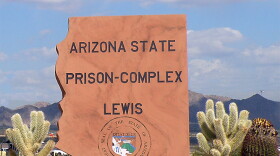 Court records say Elbert Bowie worked at the Lewis prison complex in Buckeye.
-
 Attorneys for incarcerated individuals in Arizona prisons are asking the U.S. Supreme Court to reject a last-ditch bid by the state to delay federal control of its healthcare system.
-
Attorneys for Ryan Thornell, director of the Department of Corrections, Rehabilitation, and Reentry, said the prison system has made "tangible progress” in improving healthcare for inmates.


